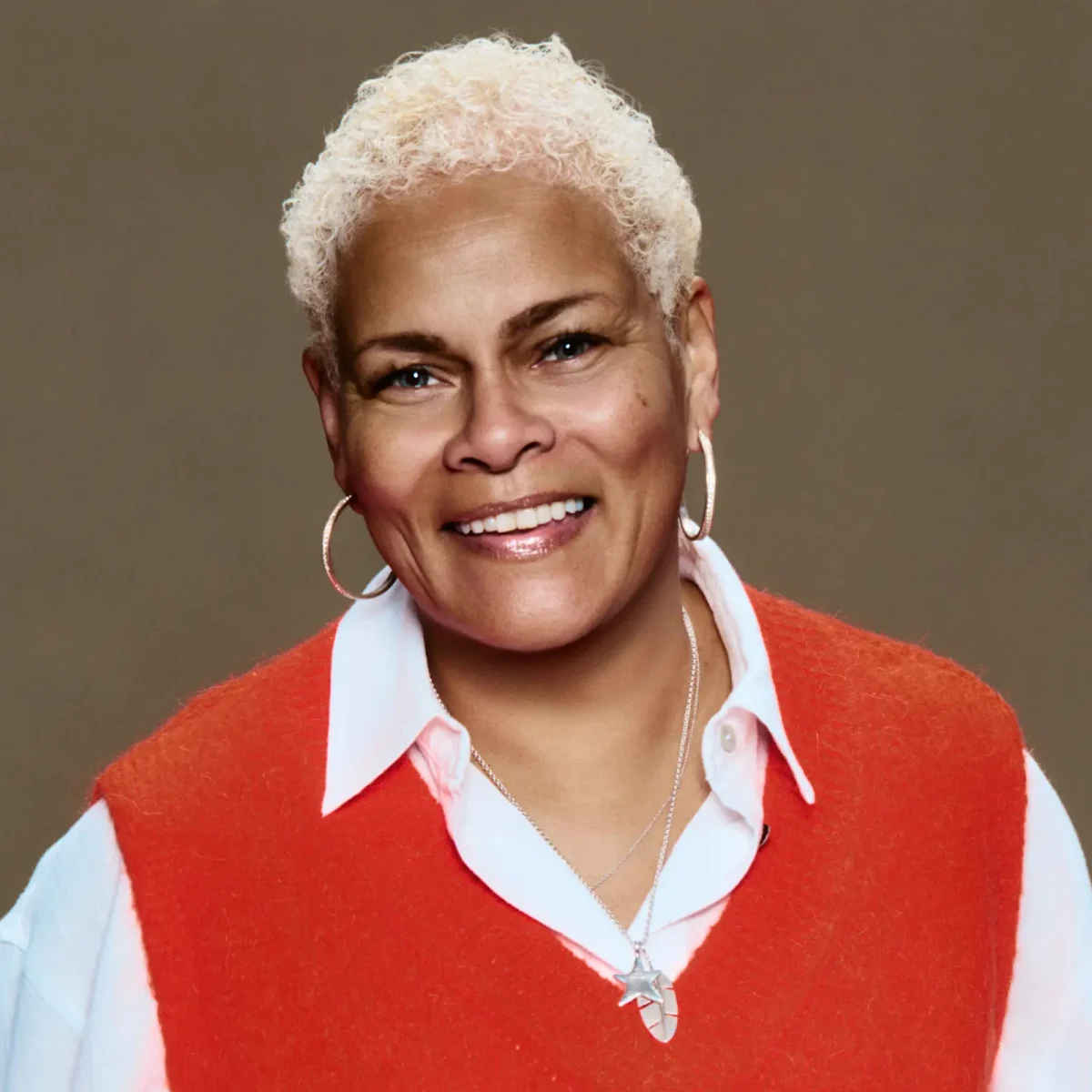
Chris Grimley, Textured Hair Specialist and owner of Fusion Hair Co explains why understanding hair science is the key to healthy curls.
Published:One of the most common questions Chris Grimley hears from clients is: “Why doesn’t my hair look like theirs?”
The answer, she says, is simple… curls are as unique as fingerprints.
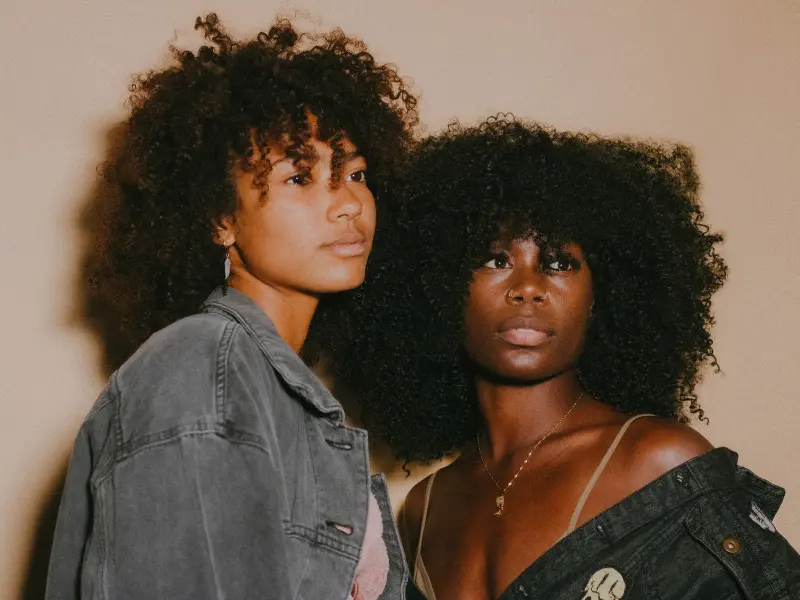
“No two heads of textured hair are exactly the same,” explains Chris. “Your curl pattern is determined long before you ever pick up a shampoo or styling product. It’s written into your DNA.”
Every strand of hair begins its life beneath the scalp inside the hair follicle, and according to Chris, that’s where the magic happens.
“Think of the follicle as the blueprint for your curl.”
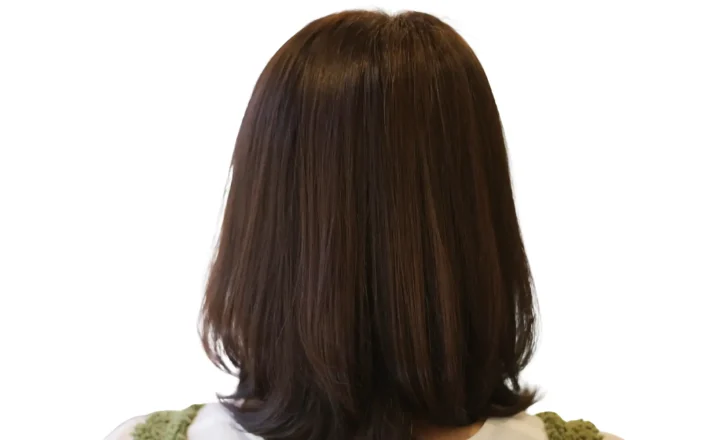
Straight hair typically grows from a round follicle, allowing each strand to grow evenly. Curly and coily hair, however, develops from follicles that are oval or flatter in shape. This causes the hair to bend as it grows, creating everything from loose waves to tight coils.
Because textured hair naturally twists and turns, each bend creates points where the strand is more fragile.
“That’s why curls often need a gentler approach,” says Chris. “They’re naturally more delicate than straight hair and benefit from products and techniques that protect their structure.”
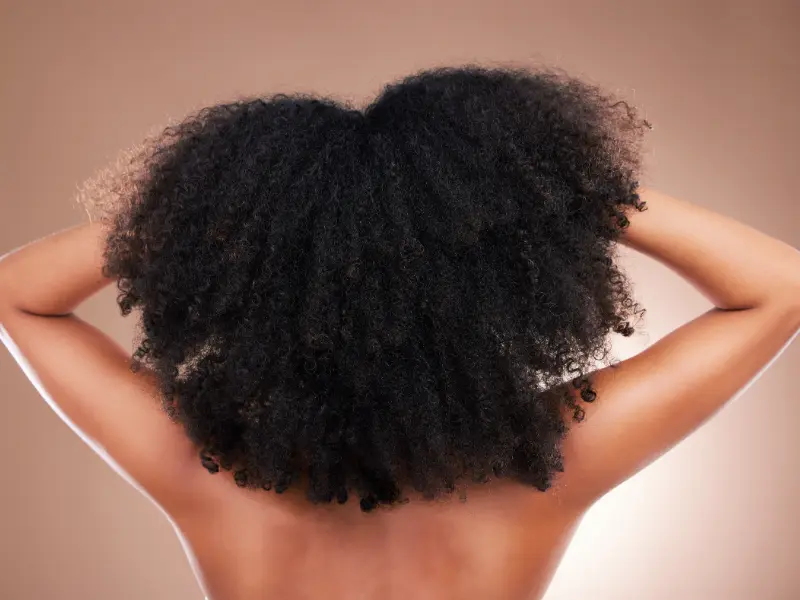
The curl typing system (from 2A waves through to 4C coils) has become a popular way to categorise textured hair, but Chris believes it should only be used as a starting point.
“I’ve worked with countless clients who technically have the same curl type, but whose hair behaves completely differently.”
Instead, she encourages stylists to look beyond the curl pattern and assess the hair’s individual characteristics.
Porosity determines how well the hair absorbs and retains moisture, while density refers to how much hair grows from the scalp. Strand thickness influences which products and styling methods will work best, and elasticity measures how well the hair stretches before breaking.
“Understanding these characteristics gives you a much better picture of what the hair actually needs,” Chris explains. “It’s also why copying someone else’s routine rarely delivers the same results.”
View this post on Instagram
One of the defining characteristics of textured hair is its tendency to become dry.
Chris explains that the scalp naturally produces sebum to lubricate and protect the hair. On straight hair, these natural oils can travel easily from root to tip. On curly and coily hair, however, every twist and bend slows that process.
“By the time those natural oils reach the ends (if they reach them at all) the hair is often already lacking moisture.”
As a result, textured hair is more prone to dryness, brittleness and breakage if it isn’t properly hydrated. Moisture isn’t a luxury for curls, it’s essential.
Chris recommends a routine built around hydrating shampoos and conditioners, followed by a curl cream and either a gel or mousse to help lock moisture into the hair. Gentle handling during washing and styling is equally important in maintaining healthy curls.
For Chris, the key to successful textured hair services isn’t trying to recreate someone else’s curls or chasing the latest social media trend. It’s about understanding the hair that’s in front of you.
By assessing porosity, density, elasticity and strand thickness alongside curl pattern, stylists can create bespoke routines that work with the hair rather than against it.
“When you understand how your client’s hair is built and what it needs, everything starts to make sense. You stop fighting the curls and start working with them instead.”
“The more you understand that story, the healthier the hair becomes. When textured hair is given the moisture, care and respect it needs, it will always reward you.”
For more info follow on Instagram @fusionhairco and @chrisgrimley1
Or take a look at The Chris Grimley Collection in a past SB article.
View this post on Instagram