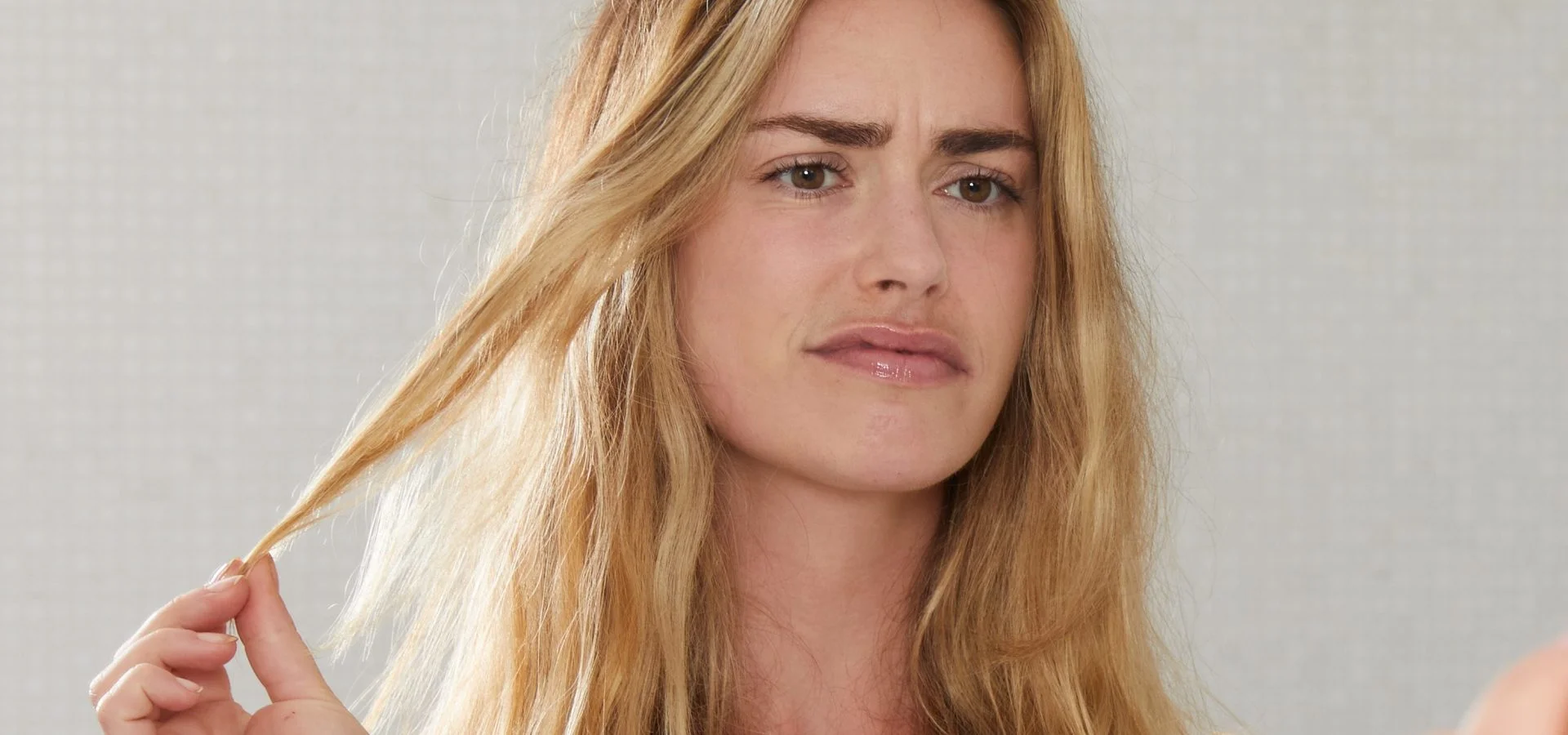
Trichologist Anabel Kingsley talks about damaged hair and how to care for it.
Published:Damaged, dry-feeling, broken and split hair are common problems you will encounter in-salon. Damaged hair can be highly problematic for both you and your client – they are unhappy with how their hair behaves, looks and feels, while you are at a crossroads on how to give them the colour or cut they want whilst protecting the integrity of their strands. Potentially platinum blonde is not what their hair can take, but it’s what their heart desires. Or they are adamant about keeping their length, but their ends are wispy and their hair is riddled with splits.
I have sat with clients in my clinic and spoken at length about their salon experiences, as well as spoken to stylists in-salon about common predicaments and frustrations. Here is my advice on how to spot and explain damage and what you can do to help your client on their healthy hair journey.
Spotting the Signs of Damage
Understanding how to identify damaged hair is the first step in managing it effectively. Visually, damaged hair often appears dull, lacks shine, and may look frizzy. Ends may appear thin, split, or feathered. Colour can also look flat or fade and discolour quickly due to compromised cuticles.
From a tactile perspective, damaged hair feels dry, rough, and brittle. It may tangle easily, lack elasticity, and snap rather than stretch when gently pulled. Clients may also report increased breakage, excessive shedding confused with increased snapping, or difficulty styling.
Why Hair Becomes Damaged
Hair damage occurs when the protective outer layer of the hair – the cuticle – becomes lifted or eroded. Once this happens, the inner cortex is exposed, leaving strands more porous and vulnerable to damage.
There are several common causes:
Often, damage is cumulative. A client may not notice immediate deterioration, but over time the hair’s integrity weakens significantly.
The Science Behind Hair Damage
Hair is primarily made of keratin protein, structured in long chains held together by various bonds – including hydrogen bonds, salt bonds, and disulphide bonds.
When hair is exposed to chemical or thermal stress, these bonds can be weakened or broken. The cuticle lifts and the internal structure of hair is compromised. As a result, the hair becomes overly porous, fragile, and prone to breakage.
Importantly, once hair is structurally damaged, it cannot “heal” or “repair” itself in a biological sense as it’s a dead tissue. However, it can be significantly improved and reinforced with the correct treatments.
Split Ends: Why Cutting Is the Only True Cure
Split ends are one of the most visible and persistent signs of hair damage. I liken them to a devil’s fork or a witches’ broom as they invoke the same type of horror.
The only true way to remove a split end is to cut it off. If left untreated, splits will continue to travel further up the hair shaft, causing more extensive damage, thinning the ends, and leading to increased breakage overall. You’ll be familiar with client’s complaints that their hair is not growing, when in fact, it is breakage. This is why having an open and honest conversation with your client about trimming is so important – removing compromised ends provides the best foundation for growing hair longer and stronger.
That said, client attachment to length should never be underestimated. If they are hesitant, taking a gradual approach – removing the minimum and spacing trims over several visits – can help maintain trust while still improving hair condition over time. Hair styling is a balancing act between what you know to be best from a hair condition and visual perspective, and how someone’s hair shapes their identity.
In the interim, split end sealers such as Bond Builder Split End Remedy can play a supportive role. These products work by temporarily binding the frayed ends together, helping to smooth their appearance and reduce further splitting. While they do not “heal” the hair, they can slow the progression of damage and improve manageability between cuts.
The Lipid Layer: Protecting the Hair’s Outer Barrier
The hair’s lipid layer (aka the F layer) is an essential yet often overlooked component of hair health. This outermost layer is chemically bonded to the hair and acts as a protective barrier, defending against external aggressors such as heat, mechanical stress and UV exposure. When the lipid layer is intact, hair feels soft, looks shiny, and is less prone to friction and breakage. However, chemical processing, high heat styling, and environmental stress can strip away these natural lipids, leaving the hair feeling dry, porous, and vulnerable. Shampooing does not strip these lipids away.
Replenishing this layer is key to restoring hair’s resilience and overall condition. This is where targeted treatments, such as Philip Kingsley Bond Builder Lipid Shield Oil, come into play to replace lost lipids and give hair added protection.
Treating Damage: Conditioning vs Bond Building
To effectively treat damaged hair, it is essential to understand the difference between conditioning treatments and bond-building treatments. Both are crucial, but they work in different ways.
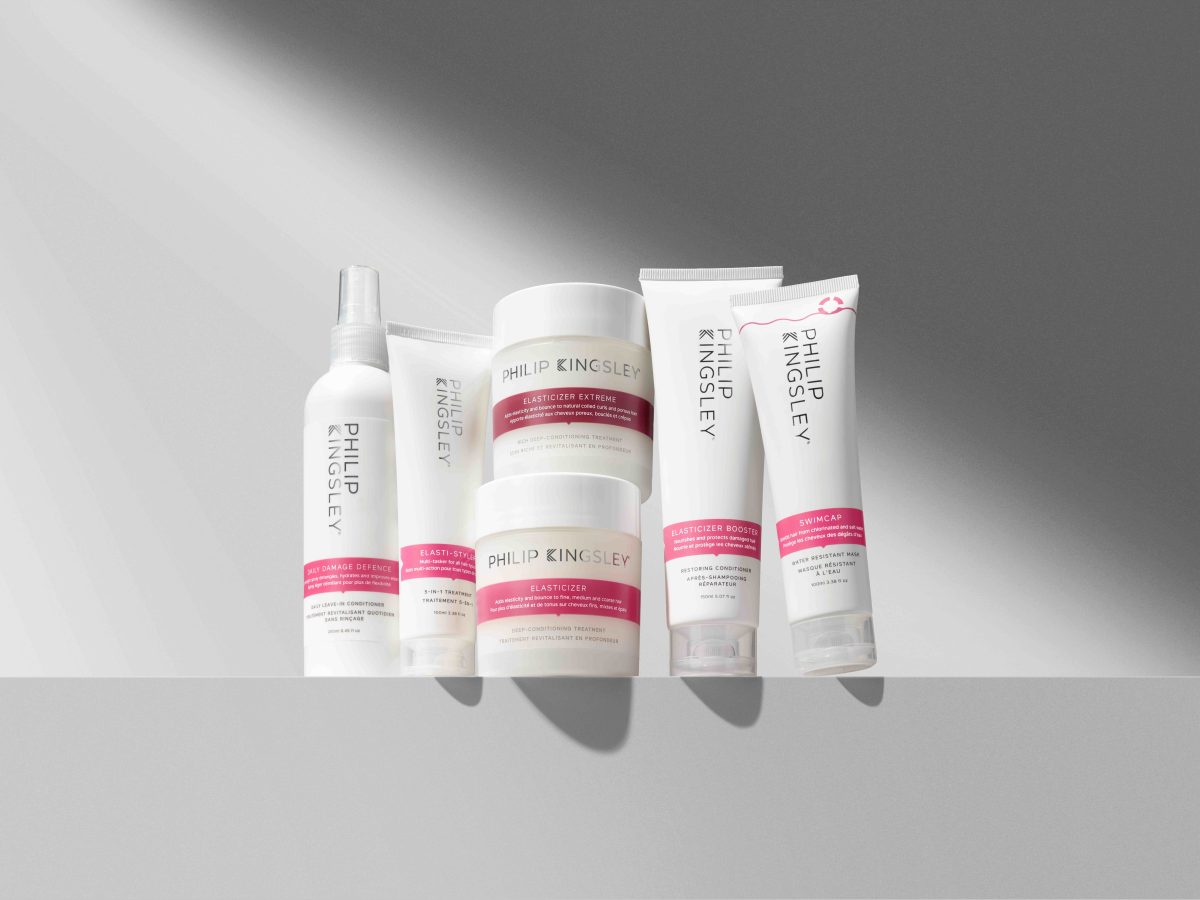
Conditioning Treatments: Restoring Moisture and Flexibility
Conditioning treatments, such as intensive pre-shampoo masks, work primarily on the hair’s outer structure. They smooth the cuticle and enhance elasticity – the hairs ability to stretch before breakage. I recommend weekly treatments using Elasticizer Deep Conditioning Treatment to all my clients, results are accumulative, but it delivers a 46% reduction in breakage from the very first use – however should be avoided 2-3 days before or after a colour service as it may prevent colour from full penetrating the hair shaft.
These treatments are particularly beneficial for hair that feels dry, rough, or brittle. By improving elasticity, they allow hair to stretch rather than snap under tension.
Bond Building Treatments: Reinforcing Internal Strength
Bond-building treatments, on the other hand, target the internal structure of the hair. They work by reinforcing broken bonds within the cortex – usually by creating new, albeit temporary, links.
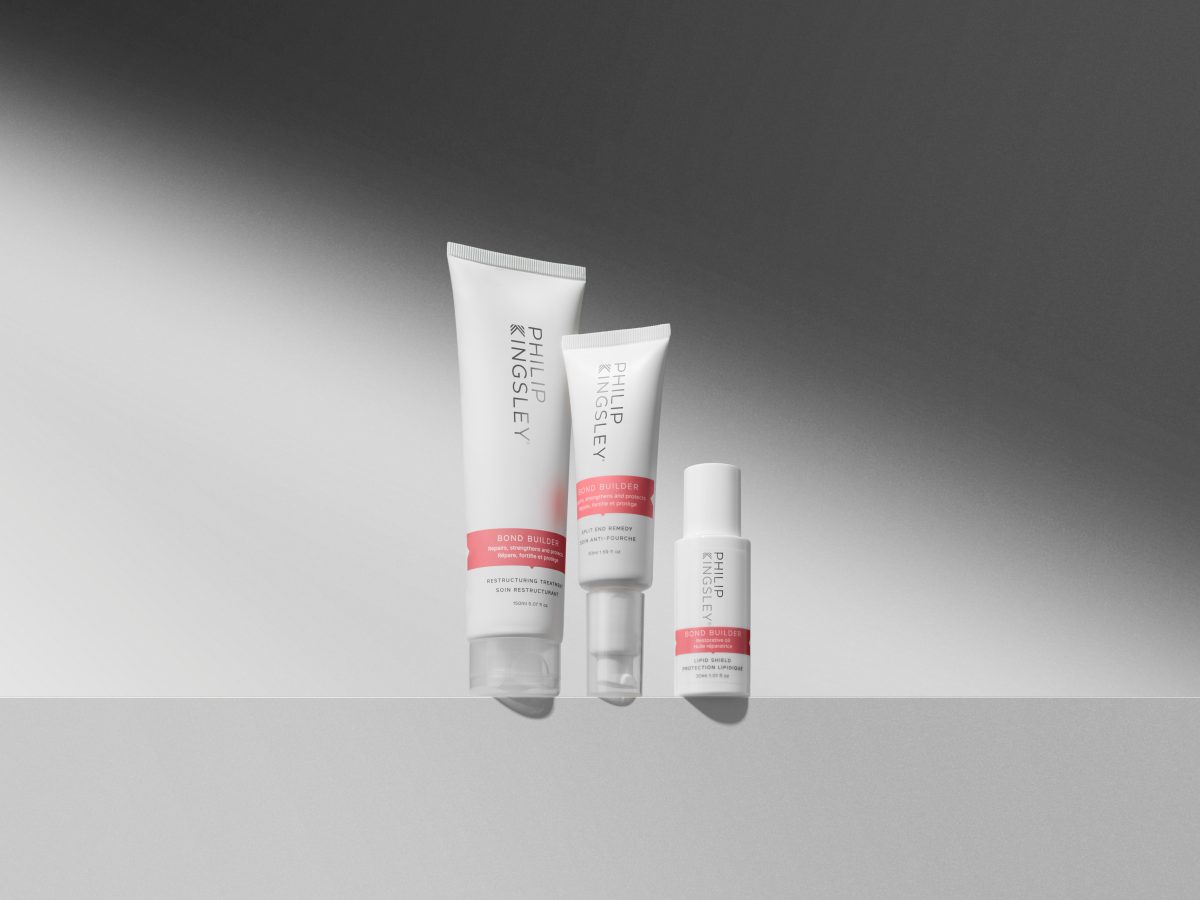
These treatments are especially valuable for clients who colour, bleach, or chemically process their hair regularly. I recommend clients that regularly colour or heat style their hair to alternate their weekly treatments with Philip Kingsley’s Bond Builder Restructuring Treatment with Elasticizer Deep Conditioning Treatment. Bond Builder Restructuring Treatment makes hair three times more resistant to damage. It features just one lightweight conditioning ingredient, which enables the advanced active ingredients to efficiently penetrate the hair cuticle — rather than being blocked by many conditioning agents that simply smooth and coat the hair. Like pre-shampoo conditioners, the effects of bond builders improve with time – so do encourage your clients to use them regularly.
Why Both Are Essential
Conditioning and bond-building treatments are not interchangeable – they are complementary. They both strengthen strands but it two separate ways delivering smoother, softer, stronger, shiner hair.
Practical Advice for the Salon Floor
When working with damaged hair, your approach should always balance your professional expertise with your client’s emotional connection to their hair.
Most importantly, position yourself as a partner in their hair journey. With the right education, realistic expectations, and targeted treatments, even significantly damaged hair can be transformed to look and feel healthier over time.
For more expert trichologist tips follow Anabel Kingsley on Instagram @Anabel_Kingsley