

The Trends, Techniques and Expertise Shaping Salon Colour
Published:From multidimensional brunettes and curl-conscious contouring to glossy autumn shades and personalised grey blending, colour professionals reveal the techniques, products and client conversations influencing the season.
Technique with individuality
“My favourite technique is creating subtle, multidimensional colour,” says Chelsey Stone at Chelsey Stone Hair. “I use carefully placed lighter and deeper tones to bring movement to the hair without making the contrast too obvious.”
Her approach reflects a wider move towards colour that looks considered rather than conspicuously technical, with consultations providing an opportunity to create something individual.
Jeremy Roca Ripoll, RUSH Artistic Colour Team Member, shares this enthusiasm for individuality and what he describes as “intentional imperfection”.
“Colour doesn’t necessarily need to look overly polished or obviously technique-driven to still look gorgeous,” he says. Instead of repeatedly recreating familiar social media looks, he encourages colourists to explore placement, proportion and contrast, considering how the shade interacts with the haircut, texture and movement.
For Dan Spiller, JOICO EMEA Colour Ambassador, that individuality begins with understanding the hair before selecting a highlighting pattern.
“Highlighting is not one size fits all,” he says, pointing to the different effects created by triangular, ribbon and microfine highlights. Each can introduce a different texture or dimension, whether the hair is curly or straight.
His advice is to analyse the client’s hair and desired look before tailoring placement to complement both the haircut and natural texture.
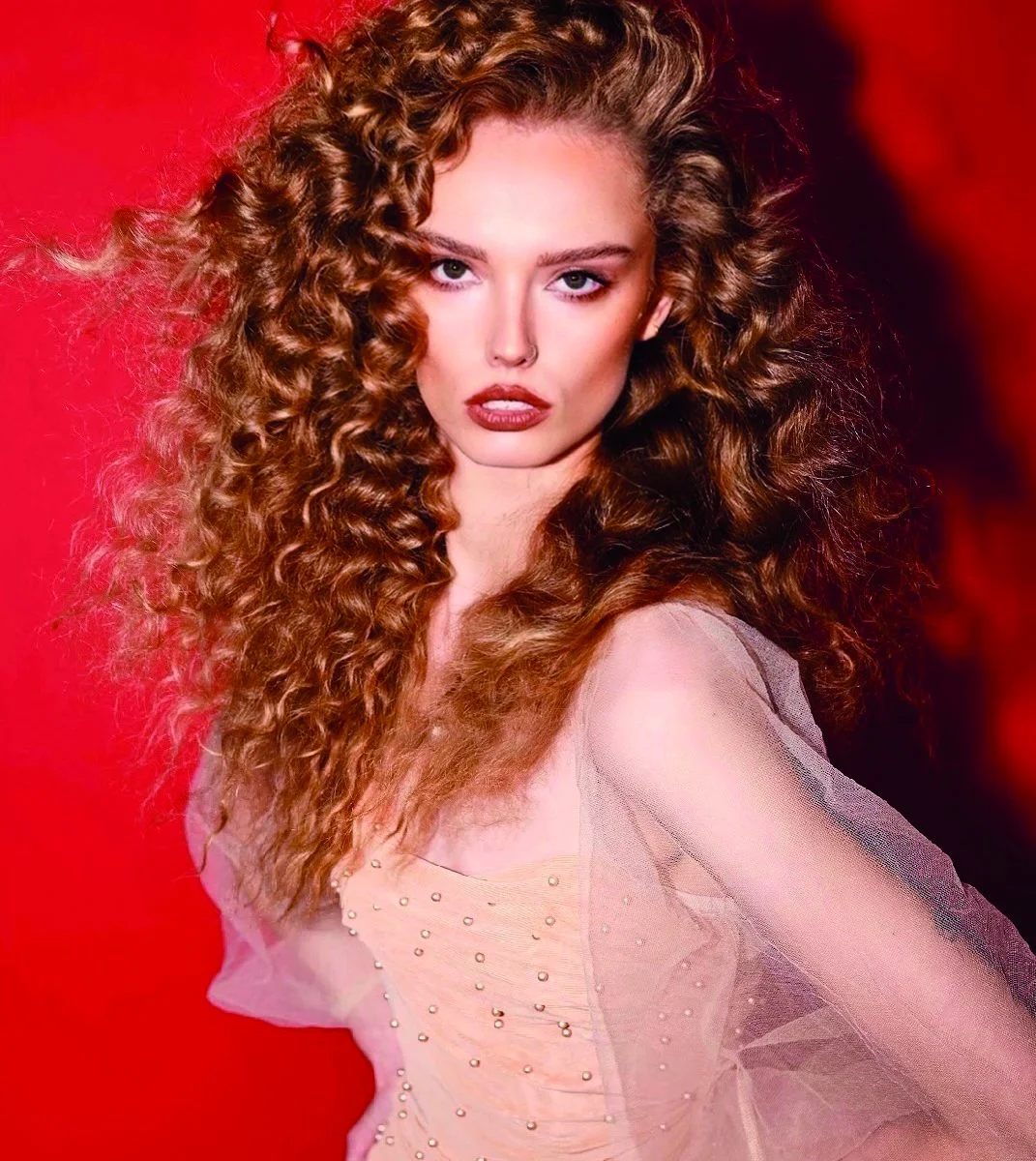
That principle is especially important when working with curls. Emma Simmons at Salon 54 champions what she calls curly contouring, an approach that treats the curl pattern as the starting point for colour placement rather than relying on a uniform foiling technique.
Emma often freehand-paints, using more strategic placement around the face. Some sections can be lightened from the root, while others retain deeper roots for a softer finish. The aim is to create ribbons of colour that follow individual curls, rather than saturating the hair with conventional highlights.
“The technique grows out softly,” she explains, helping clients maintain a wearable result while reducing the need for frequent colour appointments. Her key advice is simple: “Don’t fight the curl pattern, use it as your map.”
The return of rich, dimensional brunettes
Brunette is firmly part of the colour conversation, with coffee-inspired shades and carefully controlled warmth offering alternatives to an all-over, flat finish.
Suzie McGill, Artistic Director at Rainbow Room Uddingston, is enthusiastic about Espresso Brunette, a glossy, deep shade built around a blend of coffee-brown hues.
A global application can establish the underlying shade, with lowlights and slightly lighter face-framing pieces adding depth and definition. The result offers a sophisticated seasonal change without necessarily demanding intensive upkeep.
For Chelsey, the appeal of brunette lies in its versatility. Her approach to a dimensional brunette with soft beige tones takes inspiration from teddy bear brown, balancing warmth and coolness while preserving an overall brunette identity.
The process begins with selectively placed lighter sections, concentrated around the hairline to create a soft focal point around the face. She gently teases the sections at the root before applying lightener with a bonding treatment, helping to soften the transition between the lighter pieces and the natural depth.
Once the hair has lifted, she tones the lighter sections to a level seven iridescent gold. The finished colour is refreshed and luminous, with brightness around the face but enough depth to ensure the overall result still reads as brunette.
Bright Autumn warmth
Autumn colour does not have to mean taking every blonde darker.
Melissa Timperley, founder of Melissa Salons, predicts that Strawberry Beige will be an important blonde direction for the season. The shade combines a soft beige base with the lightest hints of strawberry, peach and gold.
“It’s not strawberry blonde and it’s definitely not copper,” she explains. Instead, the effect is closer to beige with a small amount of peach added, creating a gentle warmth that takes summer blonde into autumn without sacrificing brightness.
Joe Hill, International Technical Capability Manager at Aveda, sees a similar opportunity in Golden Hour Hair. Inspired by the warm, soft light at the end of the day, the look uses gold, mocha and sunlit tones to create warmth, dimension and shine across different base colours.
“Golden Hour Hair isn’t just about warming up blonde, and it’s not just a summer thing either,” Joe explains. On brunettes, golden reflects can bring a glossy richness particularly suited to autumn and winter.
His suggested approach combines a rich mocha-chocolate global colour with a seamless backwash balayage on damp hair.
For Kerry-Ann Buckell at KB The Hair Studio, the consultation is essential to deciding whether a high-lift tint is suitable, taking the client’s natural base and colour history into account. She also says the finished result must make sense for how frequently the client wants to visit the salon.
Grey blending and the power of consultation
Alongside seasonal shades, natural-looking colour and grey blending continue to offer opportunities for salons to rethink established routines.
Maxine Davy, owner of Synergy Hair & Beauty, says: “Women are embracing their natural hair, and I love that we can create such beautiful results without committing everyone to permanent colour.”
After 40 years behind the chair, Maxine has found that some clients arrive at a new salon because their previous colour appointments became repetitive. The consultation, she believes, should never become an assumption that a long-standing client wants the same result indefinitely.
Her philosophy is to keep looking at clients with fresh eyes and create hair that feels exciting, healthy and manageable.
Grey hair itself also demands an individual approach, according to Inanch Emir, celebrity extensionist and founder of Inanch London.
“Hair doesn’t actually turn grey,” she explains. Rather, the mixture of white or translucent hairs with remaining pigmented strands creates the variations in tone.
Texture can change too, with some grey hair becoming drier, coarser or more wiry as the scalp produces less natural oil. However, she stresses that this is not universal: some clients have fine, soft grey hair, while others have thicker, coarser strands.
The lesson for colourists and stylists is to assess the individual’s condition and texture, rather than make assumptions based on colour alone.
Protecting the investment
A beautiful colour result is only part of the service. Helping clients maintain it at home is equally important, particularly when they have invested considerable time and money in their appointment.
Safy Burton, owner of Safy B’s, puts hair health at the centre of her retailing approach.
“I always refer to home care as part of the colour service rather than treating it as an additional retail sale,” she says.
Salons may sometimes struggle to compete with online retailers on price and convenience, but professional expertise offers a clear point of difference.
Chelsey introduces product recommendations during the consultation, connecting each suggestion to the colour being created, the client’s hair and their routine at home.
The complete salon experience
One theme emerges repeatedly: there is no single technique, shade or product that suits everyone. The strongest colour work combines technical knowledge with a willingness to look closely, listen carefully and adapt.
Colour that feels personal and wears beautifully, gives clients a reason to return.


