Four-times British Hairdresser of the Year Akin Konizi of HOB Academy believes creativity has an important role to play in every salon.
Published:For many salon professionals, the everyday reality is creating the looks clients know and love: soft lines, subtle colour and styles that are easy to maintain and recreate at home. But according to Akin Konizi, creativity shouldn’t be reserved for editorial shoots, competitions or fashion shows.
The four-times British Hairdresser of the Year and 2026 nominee believes creativity is about recognising when a client might be ready for something different, and having the skills and confidence to offer it.
“Being creative is about finding the village fashionista; the cool girl who wants something different, or Mrs Jones who you know would look great with a pixie. Creative is about driving fashion within your clientele and giving them the option to be more adventurous with their look.”
View this post on Instagram
For Akin, every salon appointment is an opportunity to consider what could come next for a client, rather than simply repeating the same cut or colour.
“Every time a client comes in (whether it is six or 15 weeks), it is our responsibility to guide them into their next look. They don’t wear the same jeans or trainers for more than a couple of seasons, so why should their hair stay the same?”
He believes hairdressers have an important role in encouraging clients to evolve their look, while simultaneously challenging themselves to develop their own skills.
“It’s our job as hairdressers to be promoting change and inspiring not just our clients, but ourselves and the industry too.”
Akin argues that creativity is fundamental to professional development. While hairdressers may not consider themselves artists, he describes them as craftsmen, with creativity providing the motivation to continually improve.
“The creativity is what will drive you to improve your skills, develop your understanding of your clients, give you an understanding of fashion and open up a whole new world of possibilities within your industry,” he explains.
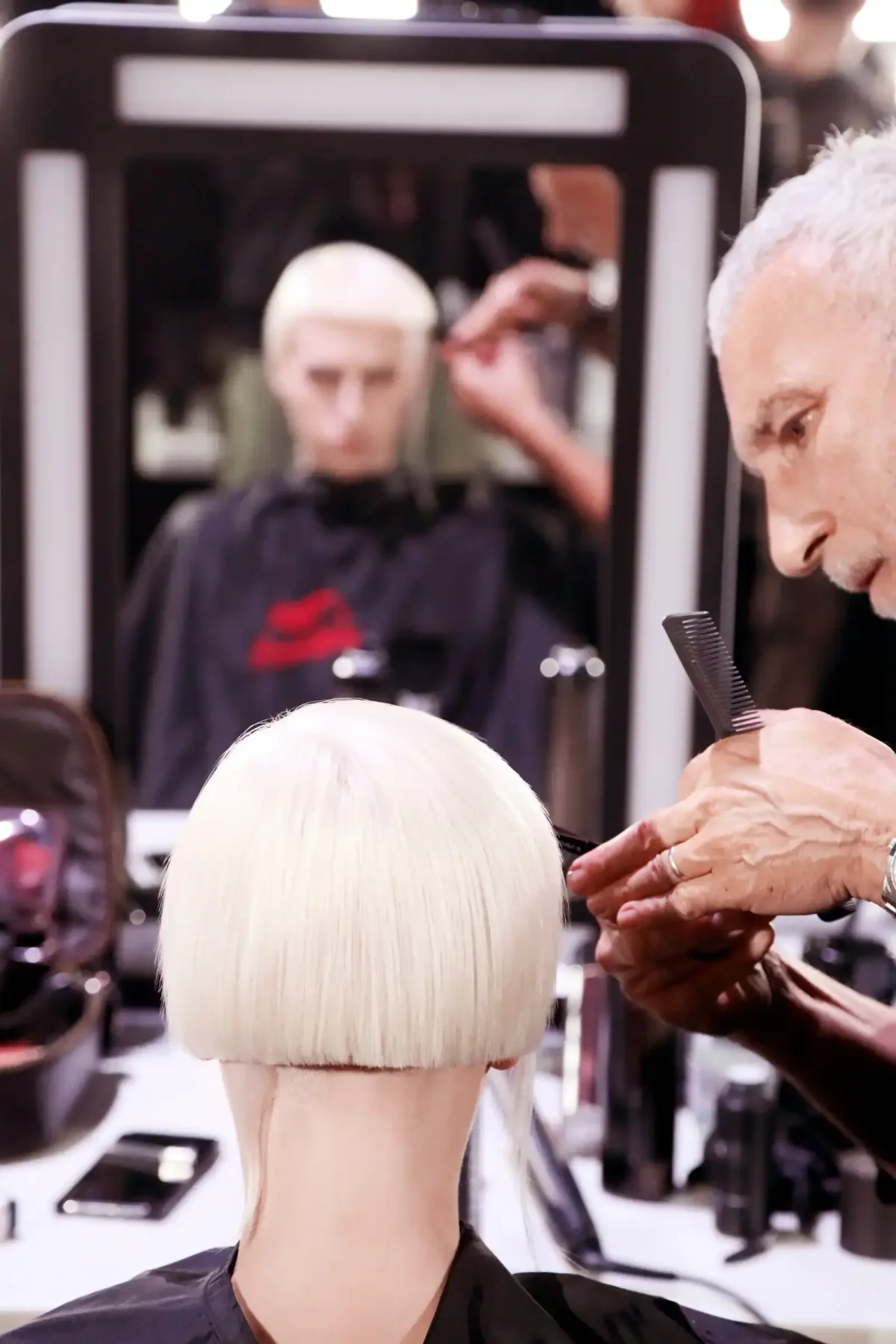
For salons working predominantly with commercial clients, introducing creativity doesn’t necessarily mean creating extreme cuts or bold colour.
Akin believes even small changes can make a difference. A different fringe, a new approach to length or an updated way of cutting a familiar shape can all provide opportunities for stylists to experiment.
“It seems creativity has taken a back seat to long hair and commercial hairstyles,” he says. “But creativity can be used at any time to keep you motivated and pushing for growth in yourself and your clientele… It’s not just a trim.”
He also believes that clients value knowing their stylist has the ability to create something more adventurous, even if they aren’t ready to make the change themselves.
“Even if a client doesn’t want a creative hairstyle, she wants to know that you could give her one if she was ready for something new. Otherwise, she may just go somewhere else for that change.”
View this post on Instagram
If you’re already a successful salon stylist, creativity can be about keeping your work fresh. You don’t need to introduce dramatic angles or unconventional colour placement. Try changing the fringe you create or experimenting with a different length.
Everyone should have the opportunity to be creative, but Akin recommends having a creative element within the salon that encourages the whole team to think differently about the work they’re producing.
Put a sign in the salon window asking for creative models for a show or photoshoot. In-salon events can also provide an opportunity to approach hair differently and experiment with new ideas.
Think there aren’t any fashion-forward clients in your area? Think again. Akin believes there will be “cool, trendy people” wherever you are… you just might not have found them yet.
Consider offering cut and colour free of charge to selected models while you develop your portfolio and experiment with new techniques. These clients can help you build a new audience while broadening your own creative outlook.
Research your favourite creative cutters and colourists. Study their work, ask for guidance where possible and try recreating their techniques before developing your own interpretation.
There is always an opportunity to approach a familiar service differently. Update the way you cut a bob or apply colour and find ways to make new techniques work for both you and your clientele.
For Akin, creativity isn’t about abandoning commercial hairdressing, but rather making sure there is always room to evolve.
Whether that means a subtle change to a familiar haircut or a completely new look, encouraging creativity can help stylists stay motivated, develop their skills and give clients more choice.
For more inspiration follow on Instagram @akinkonizi.
Read Now: Melissa Timperley Tackles Cutting Confidence Crisis with MT Masterclass App.
View this post on Instagram