Achieving a flattering finish requires careful consideration of head shape, hair texture and clipper technique.
Published:From footballers to social media personalities, the buzzcut is making a comeback as one of the season’s most popular men’s hairstyles. But while the look may appear straightforward, achieving a flattering finish requires careful consideration of head shape, hair texture and clipper technique. Industry experts Simon Shaw, Bailey Snowden and Craig Mason share their advice on creating and maintaining the perfect buzzcut.
Men’s hair trends have undergone a significant transformation over the past decade. Moving beyond the traditional short back and sides, clients have increasingly experimented with longer styles, bleached finishes, mullets, curtain fringes, frosted tips and more expressive looks.
However, this season sees a shift towards a much shorter aesthetic, with the buzzcut gaining popularity. Sporting the look are high-profile names including footballer Erling Haaland, social media personality Jake Shane and Connor Storrie.
Combining a clean, polished appearance with an edgy finish, the buzzcut offers clients a low-maintenance alternative to longer hairstyles. For hairdressers and barbers, however, creating a successful result involves more than simply removing length.
Although the buzzcut is often considered a straightforward style, personalisation is essential to achieving a flattering result.
Simon Shaw, President of the Fellowship for British Hairdressing, recommends considering the client’s head shape and natural growth patterns before deciding on the appropriate clipper length.
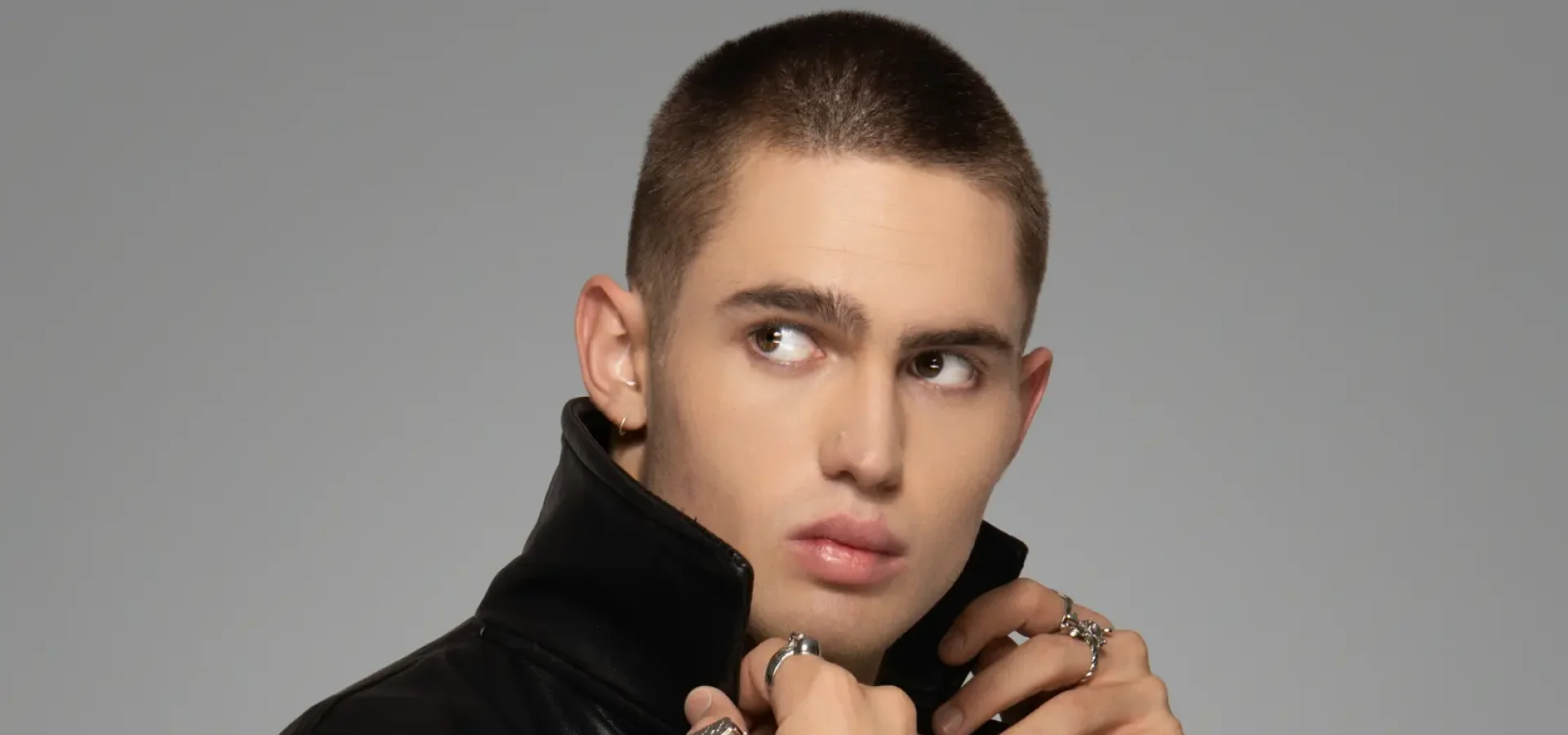
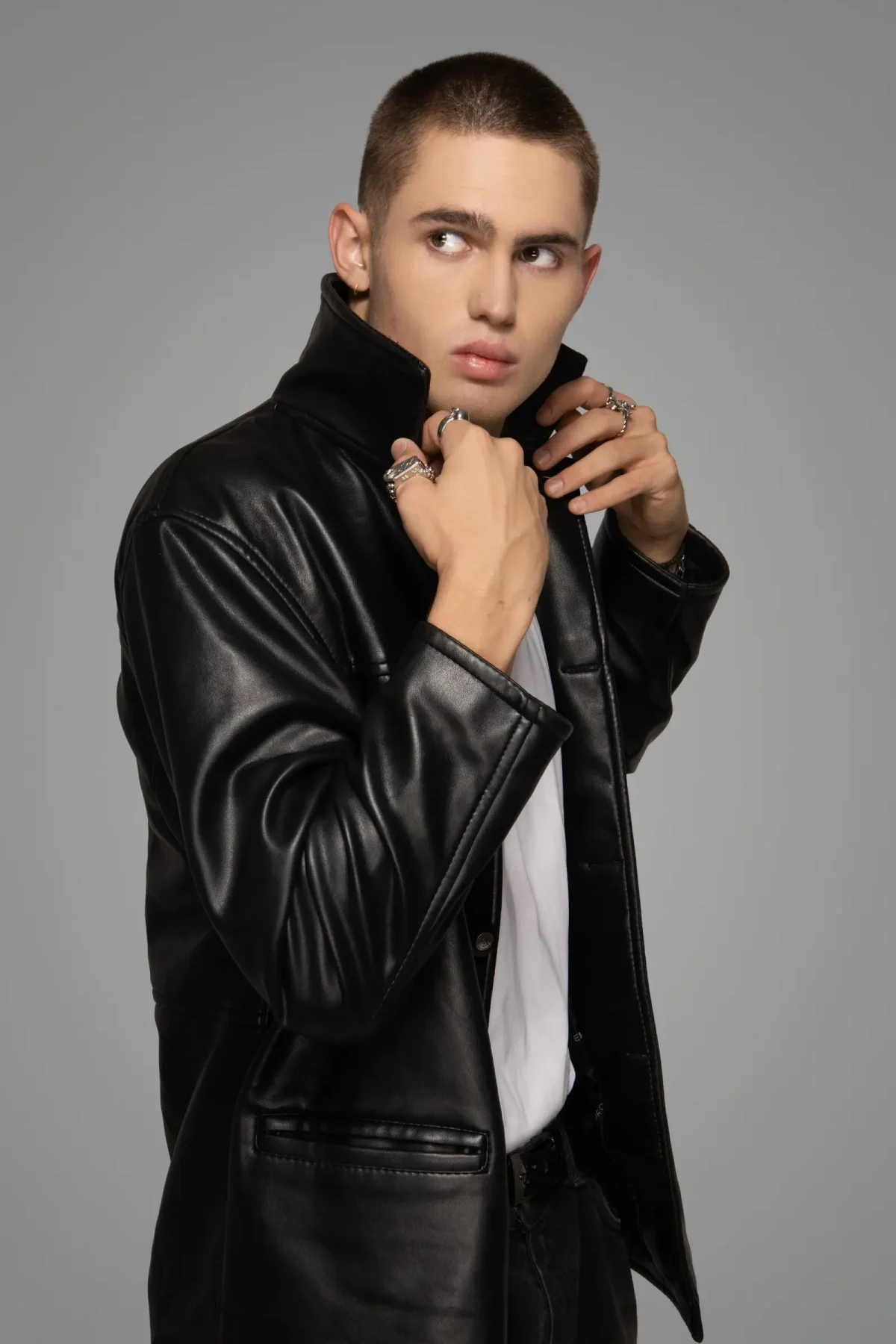
He explains that there are several variations, from the popular number one guard finish to an ultra-short 0.5 length or a contemporary faded buzzcut.
“For me, the Wahl Bald & Buzz Cut DIY Hair Clipper is an essential for helping me to create the perfect buzz cut. There are many different styles of buzz cut, whether your client is looking for the most popular buzz cut style that’s created by using a 1 with your clipper guard or by taking the guard off and shaving even shorter to a 0.5 or a faded buzz cut, which is really on trend today, it’s important to create a look that is bespoke to your client,” says Simon.
Precision cutting is particularly important when working with shorter lengths, as there is less hair available to disguise unevenness or inconsistencies.
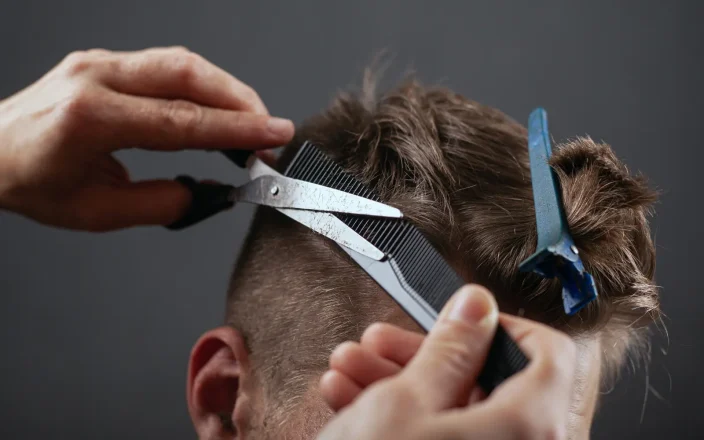
Simon recommends combining scissor-over-comb work on the sides with clipper cutting on top to achieve a close, controlled finish.
He also advises assessing the client’s scalp before beginning the service, feeling for any bumps or irregularities that may require a more gentle approach.
“I really like to use a scissor over comb technique on the sides to get really close to the hair for more precise results and then use a clipper on top. With buzz cuts, I always tend to analyse the client’s head before going ahead with the cut, feeling around their scalp to look out for any bumps before cutting to ensure I work round these areas more gently,” he explains.
View this post on Instagram
One of the main attractions of a buzzcut is its minimal styling requirement. However, shorter hair can still benefit from the right finishing products.
Bailey Snowden, Owner of Snowden Hair, recommends using a matte paste to maintain the structure of the cut and control unwanted frizz.
“Matte paste is the perfect styling product to avoid any unwanted frizz with a buzz cut. As the paste has a flexible hold, it binds to the shorter hairs to lock everything into place, keeping the styling looking fresh all day long!” says Bailey.
A flexible-hold product can help define the overall finish without creating an overly shiny or rigid appearance.
View this post on Instagram
For clients considering a dramatic change, consultation is an important part of the process.
Craig Mason, RUSH Academy Director, recommends assessing hair colour, density and texture before selecting the clipper guard length.
Lighter-coloured, finer or smoother hair will generally benefit from leaving more length, with Craig suggesting a number four to number eight guard. Conversely, darker, denser or coarser hair can often accommodate shorter lengths, with a number one to number three guard.
Craig also recommends using inspiration photographs during consultations to establish a shared understanding of the desired result.
“Make sure that you look at your client’s hair colour, density and texture in order to determine the clipper length to use on the top. Lighter-coloured, low-density, or smooth-textured hair normally requires a longer length with a number four to number eight guard, while dark, dense or coarse hair requires a shorter length with a number one to number three guard. I always find an inspiration photo helpful, and while you may not be able to fully achieve their desired finish as you can customise the buzz cut to suit them!”
View this post on Instagram
While the buzzcut offers a relatively low-maintenance styling option, its success depends on understanding the individual client’s features, hair characteristics and expectations.
For salon professionals and barbers, careful consultation, accurate clipper work and appropriate product recommendations can help transform a seemingly simple haircut into a considered, personalised style.
With its combination of practicality and contemporary edge, the buzzcut looks set to remain an important men’s hair trend this season.
Creative Direction: Dean Gleeson
Hair: Project Men and Media 2025, Fellowship for British Hairdressing
Photography: Paul Simmons
Stylist: Stephanie Day
Make-up: Lily Winfield
Read Now: How to Create Marbled Colour Effect.
View this post on Instagram