From improving recycling systems to introducing refill stations and reducing energy consumption.
Published:Sustainability is becoming an increasingly important consideration for hair and beauty businesses, but creating a greener salon can involve much more than simply switching products.
Nilofer Aydinli, Managing Director of Enki Towels, shares six practical areas salon owners can consider when looking to introduce more sustainable practices into their businesses.
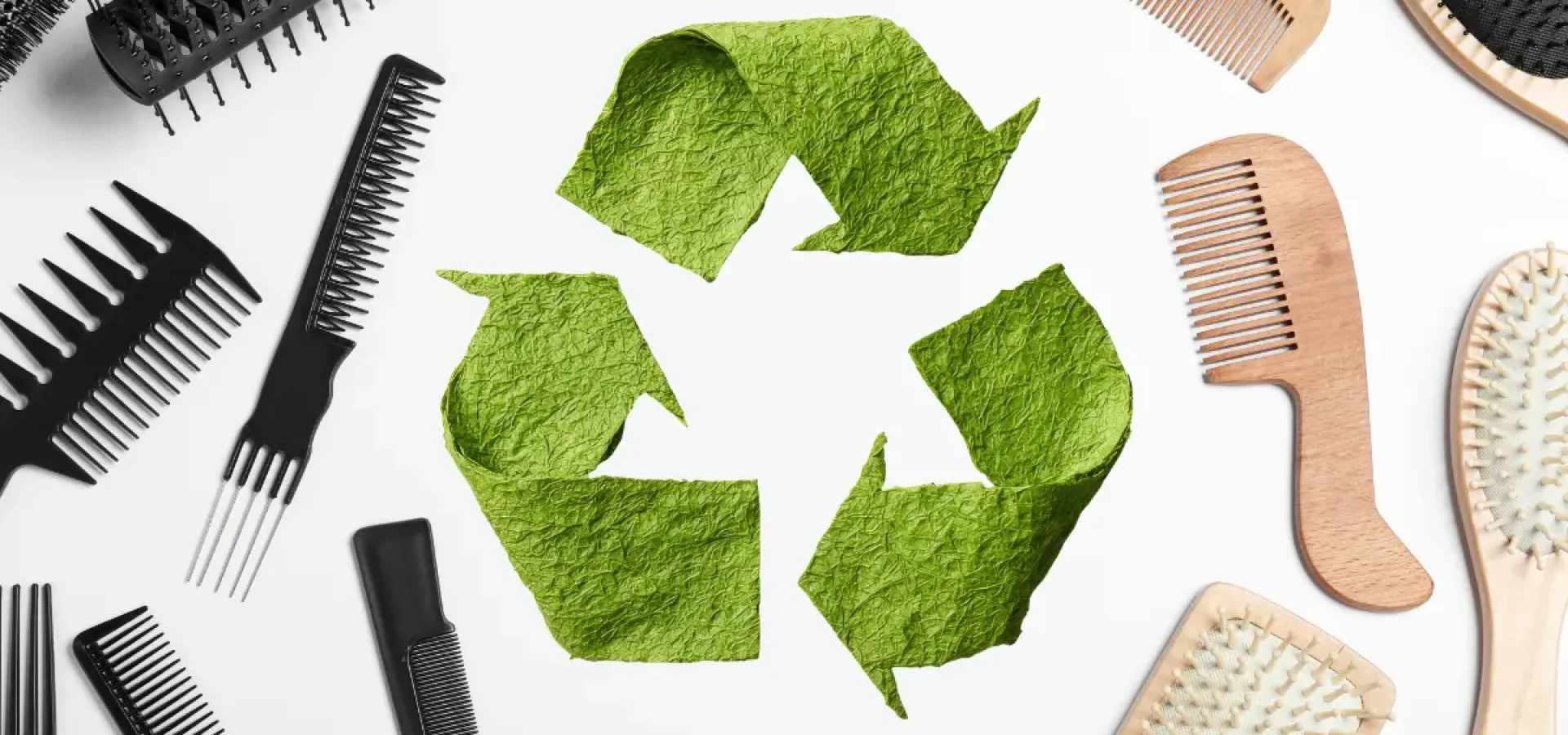
Taking a closer look at how waste is managed is a straightforward starting point. Recycling as much salon waste as possible and having clear procedures in place can help businesses manage their waste more effectively.
Aydinli also suggests looking beyond the salon itself and connecting with neighbouring businesses and the local community. Packaging such as cardboard boxes from stock deliveries, for example, could potentially be reused by another local business rather than immediately becoming waste.
A refill station could help salons reduce plastic consumption while also creating another reason for clients to visit the business.
Salons could support the initiative with a loyalty scheme that rewards clients for returning packaging and choosing refillable products. As well as reducing single-use plastics among existing clients, Enki suggests that offering a refill service could help salons reach new customers within their local area.
Product selection is another area salons can review when developing their sustainability strategy. Aydinli recommends checking product labels and considering options made with naturally sourced or organic ingredients. Salons may also want to examine where ingredients come from and whether products have been tested on animals when deciding which brands align with their own environmental values.
Towels are an everyday salon essential, making them another area where businesses can assess their environmental impact. Enki Towels advocates replacing traditional cotton towels with disposable alternatives made using plant-based materials. The company says plant-based disposable towels can provide a biodegradable alternative while maintaining the premium experience expected by salon clients.
From lighting to heating, energy consumption is unavoidable in the day-to-day running of a salon, but more efficient technology can help businesses reduce their environmental impact. Simple measures highlighted by Aydinli include switching to LED lighting and considering energy-efficient boilers when upgrading salon equipment.
Introducing sustainable initiatives is only part of the equation. Salons can also use their social channels to communicate the changes they are making and educate clients about their approach. Enki suggests using social media to showcase sustainability initiatives and encourage the wider salon community to become involved.
Ultimately, becoming a more sustainable salon doesn’t necessarily require changing everything at once. Reviewing waste, energy use, products, towels and packaging can reveal practical areas where greener choices can gradually become part of everyday salon operations.
Follow on Instagram @enki_towels for more sustainability tips.
Read Now: The Story Behind Enkis Pioneering Sustainable Salon Towels
View this post on Instagram