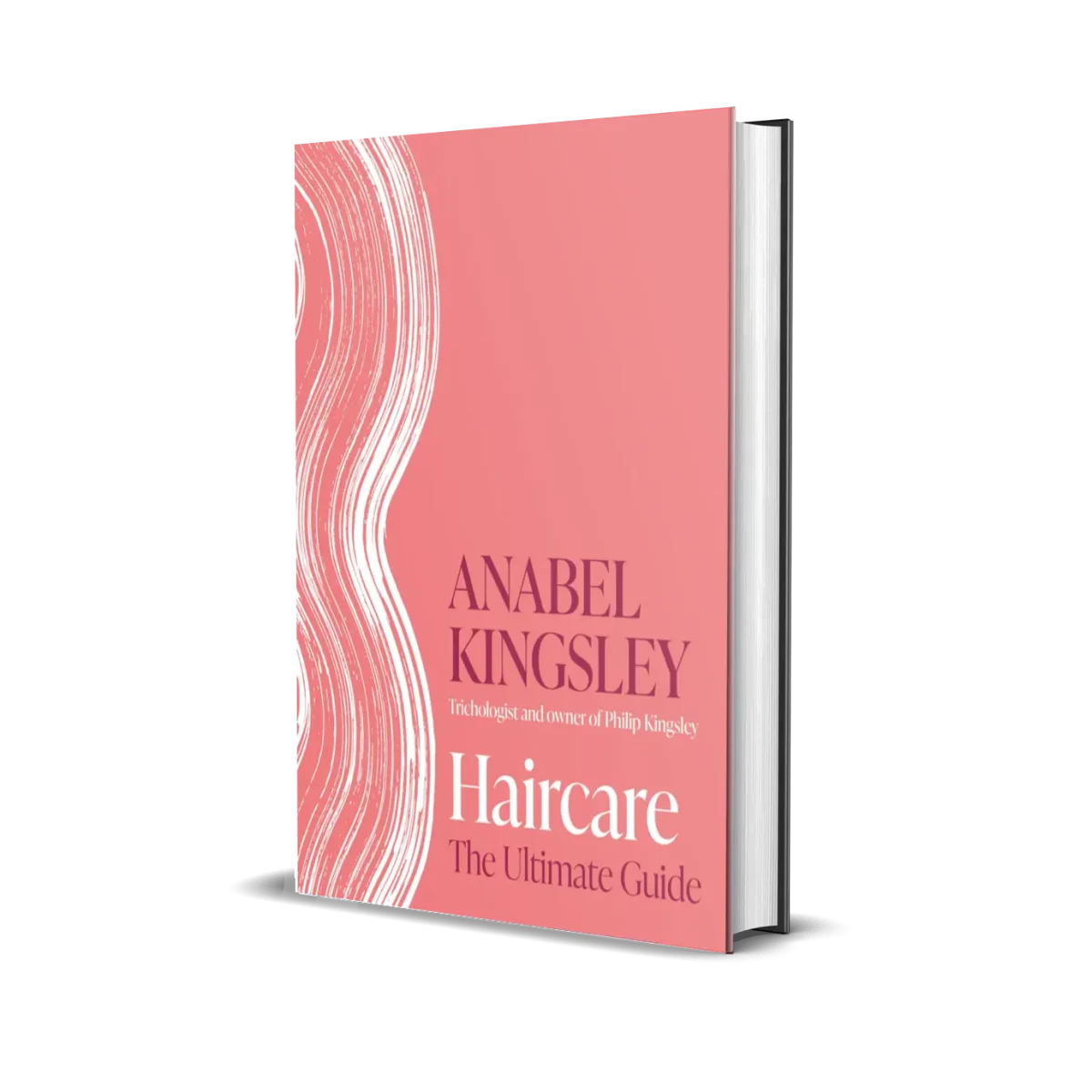
A Q&A with the Trichologist and Owner of Philip Kingsley.
Published:Designed to help consumers better understand their hair and scalp, as interest in hair growth, scalp health and the “skinification” of haircare continues to grow. Anabel Kingsley’s new book; ‘Haircare: The Ultimate Guide‘ brings trichology-based advice to a consumer audience, aiming to tackle some of the conflicting information and misconceptions surrounding hair health.
Anabel cuts through the confusion of viral trends, conflicting advice and marketing claims to explain what really works. She tells us all about her debut book below.
There is much information regarding hair and scalp online, and increasingly so in the past year with the rise of hair growth Influencers, scalp-centric trends, longevity and the skinification of hair. It was the ideal time to write Haircare, as it gives women a true understanding of their hair and scalp, how to care for them, and what works and what doesn’t. It dispels common myths and misconceptions and helps to cut through misinformation. Ultimately, I wrote Haircare so that women have a trustworthy place to turn to that enables them to get the best out of their hair and scalp.

I wrote Haircare mainly for the consumer; the woman who is confused by conflicting information online and wants experience-based and science-backed advice. However, whilst hairdressers an in-depth understanding of hair, I do think there is something for everyone to learn and that hair professionals will take away useful information and especially regarding hair loss and scalp conditions. You may even be enlightened by some of the myth busting elements i.e. a cold rinse doesn’t make hair shiny and daily shampooing is great for some hair textures!
Yes, I do. I think it’s wonderful that scalp is finally getting the attention it needs and deserves. That said, with hair and beauty trends comes a good dose of marketing mischief, so it’s important to be wary of too-good-to-be-true claims.
That people should try and stretch out as many days between shampoos as possible. For someone with fine or thin hair or a scalp condition, daily shampooing can be game changing, providing body, shine and scalp comfort. For those with coarser or curly hair, shampooing as often as is doable supports scalp health. Plus, fully wetting the hair and conditioning it makes the hair fibre more pliable, soft and feeling moisturized.
That hair loss can be fixed with one product or a supplement. Healthy hair growth takes a holistic approach and it often involves targeted treatments and interventions; what works for one person may not work for another.
I think it’s a good idea to point your client in the direction of a trichologist if they are concerned with hair growth or their scalp health. If you notice your client has patchy hair loss, their scalp is very red or inflamed, has thick scale, is painful or scaling is accompanied by hair loss, I would also encourage you to refer to a specialist.
Yes, definitely. Hairdressers are often the first people to spot a problem with someone’s hair or scalp. They are also in a position of trust and understand the psychological significance of hair, putting them in the perfect position to have an initial conversation about hair and scalp concerns.
I love to write (which is one reason why writing a book appealed to me!), and I also sing and song-write, so I contemplated doing this for a small amount of time. It’s still a passion of mine and I try to get involved in charity music concerts whenever I can.
I have two young boys, aged four and six, so as soon as I take off my trichologist hat, I am in full mom mode! My days off are typically spent building magna-tile towers, romping through parks, playing hide-and-seek and avoiding trips to the ER.
I’ve experienced telogen effluvium many times and am prone to shedding. I have ulcerative colitis, which causes hair loss whenever I have a flare. I also get alopecia areata from time-to-time. These are both things I have to manage as and when they crop up. Despite having a deep understanding of both of these conditions, it still really impacts my mood when I lose my hair.
You would find about 15 hair products, but my non-negotiables are: Elasticizer, Bond Builder Lipid Shield, and Density Preserving Scalp Drops.
View this post on Instagram
I apply growth supportive topicals to my scalp morning and evening, and use a weekly strengthening hair mask (our Elasticizer). I treat my scalp like the skin on my face and take a proactive approach with hair and scalp care.
I think it’s the fact that I have experienced hair loss multiple times myself. I truly understand how distressing and all-consuming hair loss can be, and have great empathy for my clients going through the same thing. I see the immense psychological impact that hair loss can have on someone’s mood, self-esteem and quality of life on a daily basis.
I’d love for the reader to have a new found understanding of their hair and an appreciation for how intricately hair health is connected to general health, scalp health and diet. I hope my book empowers women to care for their hair in a way that suits their hair texture and styling goals and that they are given the confidence to get the best from their hair.
Everyone’s hair is different as is what is achievable. My aim with my clients, and with my readers, is to give them the tools to get their best head of hair possible (not everyone can have thick or long hair due to genetics and health factors and their pre-determined hair texture). If I can help someone feel better about their hair, I view this as a success. Even small improvements can have such a positive impact on how someone feels about themselves.
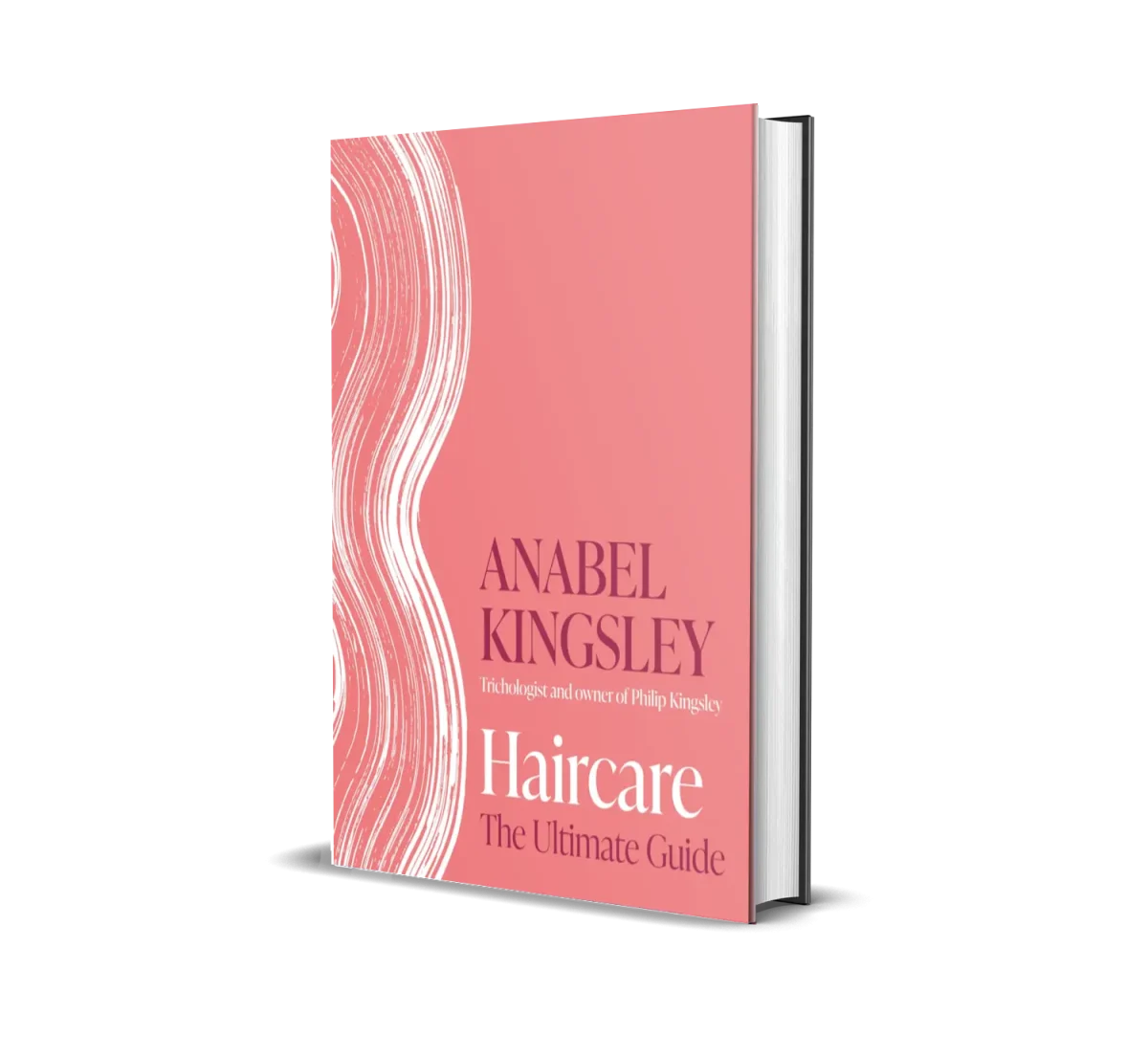
Haircare: The Ultimate Guide by Anabel Kingsley (Piatkus, £25, 10th September) is available from all good book retailers: geni.us/HaircareBook
Read Now: Your Trichology Questions Answered.
View this post on Instagram